.png?branch=web_prod)
Can Crowd Noise at Footy Events Damage Your Hearing?
Can Crowd Noise at Footy Events Damage Your Hearing?
3 mins
Publication Date: 24 April 2026
Last review Date: 24 April 2026
Can Crowd Noise at Footy Events Damage Your Hearing?
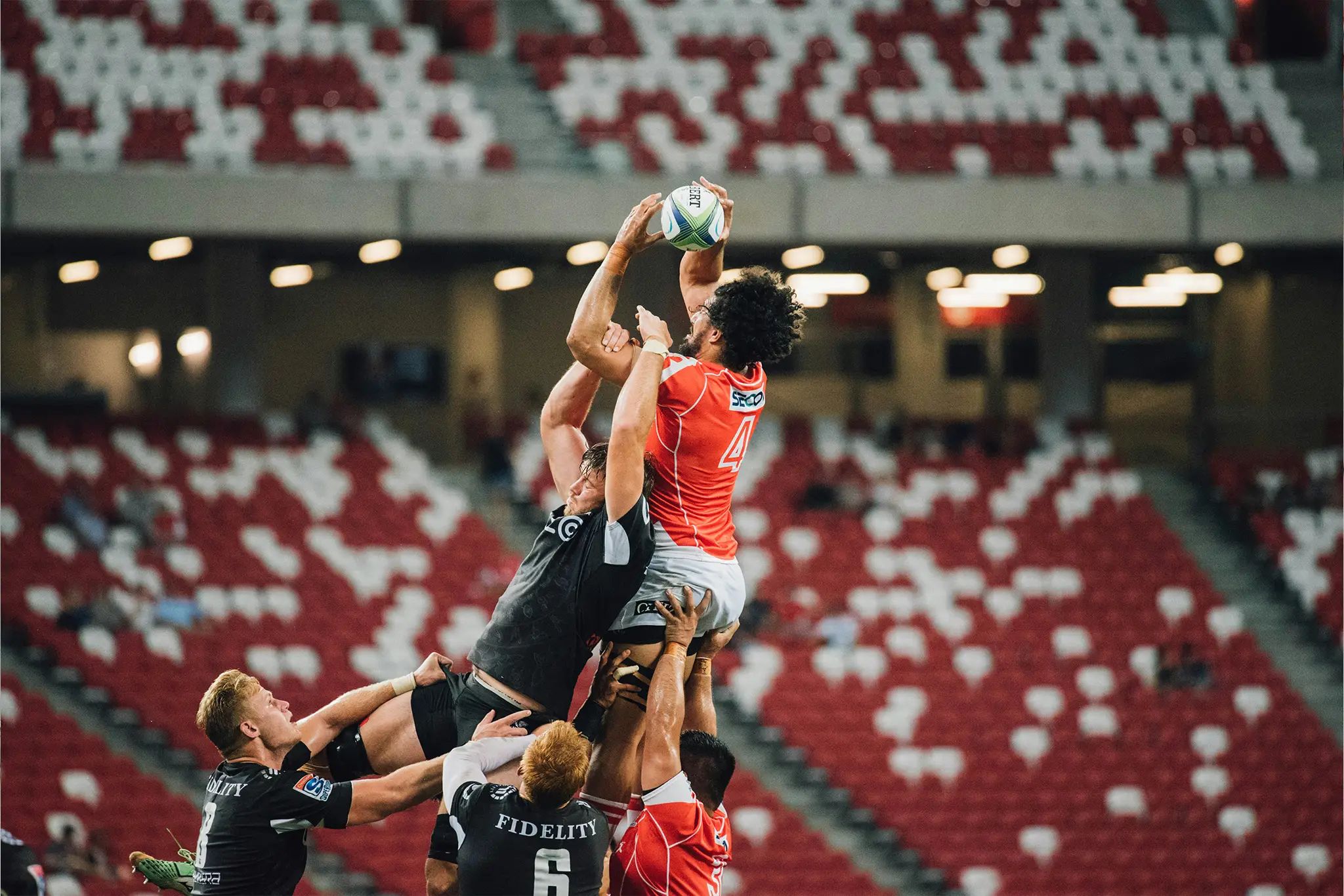
There’s nothing quite like the energy of a packed AFL or NRL stadium. From the roar of the crowd to the siren and team chants, it’s all part of what makes live sport so memorable. However, these moments can reach sound levels that are higher than many people expect.
In this helpful blog, we’ll explain how loud footy events can be and what repeated exposure to that level of sound may mean for your hearing over time.
How Loud Are AFL and NRL Games?
At major venues like the MCG or Accor Stadium, crowd noise can regularly sit between 90 and 100 decibels (dB).1 During peak moments like a goal, try or final siren, sound levels may even rise to 130 dB.
To put that into perspective, those sound levels are similar to standing near heavy traffic or using power tools. Sound above 85 dB is widely recognised as a level where ongoing or repeated exposure may begin to affect hearing over time.2
What Happens When You’re Around Loud Noise Repeatedly?
Hearing relies on delicate structures in the inner ear that respond to sound.3 Research suggests that regular exposure to higher sound levels may affect how these structures function over time.4 This doesn’t usually happen all at once. Instead, changes may develop gradually with repeated exposure. The World Health Organisation includes sporting events and concerts as forms of recreational noise exposure.5 While these environments are social and enjoyable, they can still reach sound levels that may affect hearing over time. Because the exposure is occasional and tied to positive experiences, it can be easy to overlook.
How Noise Exposure Can Add Up Over Time
Attending one footy game is unlikely to have a lasting impact for most people. What matters more is how often you’re exposed to these sound levels.
For regular footy fans, exposure may include:
- Weekly matches across a season.
- Finals series and major games.
- Years of attending live events.
As sound levels increase, the amount of time the ears can comfortably manage that noise becomes shorter. Over time, repeated exposure may contribute to changes in how sound is experienced.3 may help reduce background noise, support clearer conversations and make watching the tennis feel more comfortable.
Common Signs Of High Noise Exposure
After loud events, it’s not uncommon to notice temporary changes in how your ears feel.6
These may include:
- Ringing or buzzing in the ears.
- A sense that hearing feels slightly muffled.
- Sounds feeling less clear than usual.
These effects often settle, but they can be a sign that the ears have been exposed to high sound levels. If you've noticed any of these after a game, our blog on managing temporary hearing loss has more information on what to expect and when to seek support.
What This Means For Your Hearing
Noise-related changes to hearing are often gradual. They may first become noticeable in busy environments, where following conversations or picking up speech can feel more effortful. Being aware of how often you’re exposed to louder environments is one way to support your hearing over time.
If live sport is a regular part of your routine or you've noticed changes in how your ears feel after loud events, a hearing check is a good place to start. Book an appointment at your local Connect Hearing clinic today. Our team of experts can help you stay on top of your hearing, so you can enjoy every moment of the game.
- Liam Croy, The West Australian (8 September 2018), Optus Stadium fans' noise factor a big lift for Eagles, The West Australian, accessed 30 March 2026.
- National Institute on Deafness and Other Communication Disorders (16 April 2025), Noise-Induced Hearing Loss, National Institutes of Health, accessed 30 March 2026.
- Cleveland Clinic (22 August 2024), Inner Ear, accessed 30 March 2026.
- Sat Pearls (5 August 2023), Noise Exposure and Hearing Loss, National Library of Medicine, accessed 30 March 2026.
- World Health Organization (2 March 2022), WHO global standard for safe listening venues and events, accessed 30 March 2026.
- Centres for Disease Control and Prevention (12 April 2024), Signs of Noise-Induced Hearing Loss, accessed 30 March 2026.
Reviewed by:
Nadine Currey, AudiologistMClinAud, BAud, DipHDP&E, FACAud
.png?branch=web_prod)