Find a clinic
Online Hearing Test
1300 104 730
Book a FREE Hearing Check
Types of hearing aids
Phonak Virto R Infinio
NEW
Cost of hearing aids
Go to all blog articles

Gradual hearing loss: How can you help your loved one?

elderly-seniors-couple-sitting-nature.jpg

Gradual hearing loss: How can you help your loved one?

Share this article

10 min.

hearing and hearing loss

Publication Date: 12 December 2018

Share this article

Do you suspect your partner, parents or a friend have hearing loss? This is how you, as a loved one, can best help using the six-stage strategy!

Stage 1: Raise awareness and point out specific hearing problems.

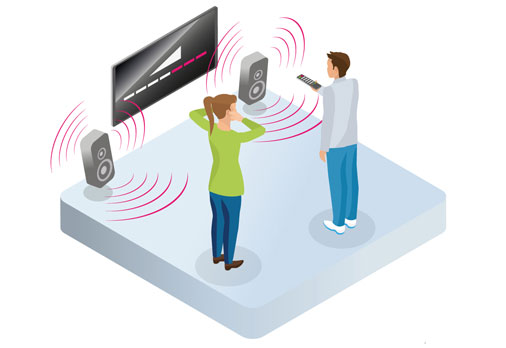
Sensitively but firmly point out to the affected person if their hearing difficulties are causing communication problems or misunderstandings: “Maybe you didn’t understand me correctly?”, “Did you turn up the TV volume because you find the dialog in the film hard to understand?”, or “Why don’t you use the phone any more?” But bear in mind that this is a very delicate matter. Always be sensitive, defensive and calming!

gradual-hearing-loss-raise-awareness_1.jpg

Stage 2: Lower the fear threshold and break down prejudices

Repeatedly point out that these days hearing aids are a brilliant, stylish accessory, and comparable to glasses. What’s more, remove the person’s fear of the technology being complicated – because modern hearing aids are really easy to use. The costs should also not be an obstacle, even models covered by the health insurance are very good, modern devices.

gradual-hearing-loss-lower-fear_2.jpg

Stage 3: Generate enthusiasm

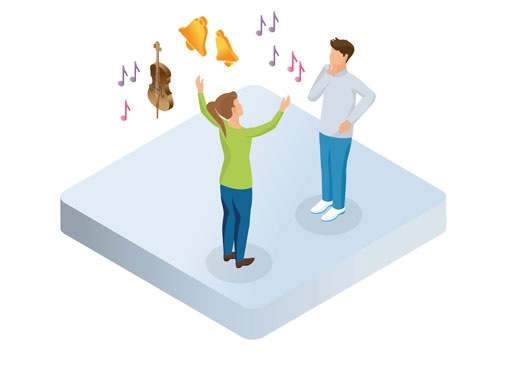
Tell the person concerned all the things they can experience and do again thanks to hearing aids. Examples include noticing the rustling of leaves and the twittering of birds on walks, never again missing the doorbell and chatting to friends and family easily. They can also make phone calls and watch TV comfortably and effortlessly thanks to the direct connection between their smartphone or TV set and the hearing aid.

gradual-hearing-generate-enthusiasm.jpg

Stage 4: Show you’re on their side and go together!

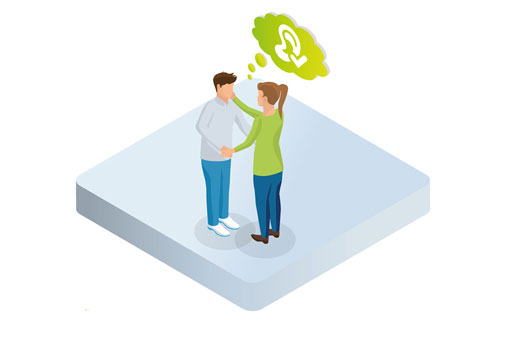
“Let’s tackle this together! I’ll arrange an appointment for you with the acoustician and we’ll go together!” It’s important to be sensitive and psychologically skilled when going about this. The following trick can be helpful: “Let’s go together – then I’ll also do a hearing test there and then. It’s quite possible that I’ll also need a hearing aid in the end!”

gradual-hearing-go-together.jpg

Stage 5: Offer support and create acceptance

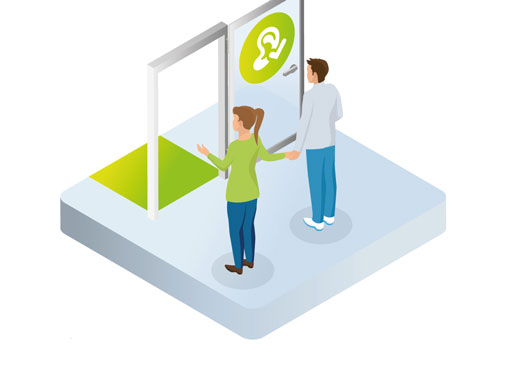
You’ve done it! Your loved one has been persuaded and has done a hearing test. Now they’re wearing a brand new hearing aid which still needs to be optimally adjusted. But beware, the goal has not quite been reached! This is because if the person affected isn’t persuaded of the benefit of the hearing aid, they will reject it and refuse to wear it.

gradual-hearing-create-acceptance.jpg

Stage 6: Enjoy together

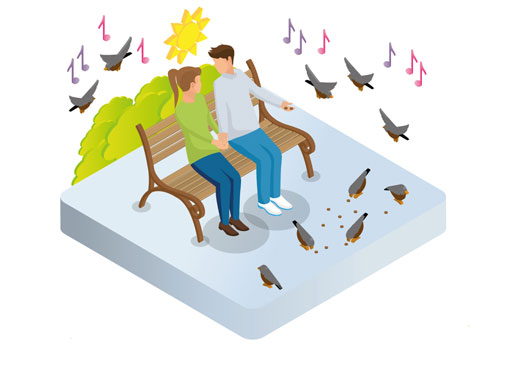
Enjoy their restored quality of life and new-found freedom with your loved one. Go out or go to a concert. Listen to the sounds of nature on walks and enjoy chatting, gossiping and philosophizing together!

gradual-hearing-enjoy-together.jpg
Author

Connect Hearing


Latest articles
  • IWD 2026: Meet the Women Turning Hearing Loss Into a Superpower
  • World Hearing Day: The Habit That Keeps You Connected
  • Blocked Ears After Swimming? What To Do After Beach and Pool Days
  • When Ringing in the Ears Affects Relationships and How to Talk About It

Related articles

Our Solutions
  • Which hearing aid should I choose
  • Types of hearing aids
  • Invisible hearing aids
  • Hearing aid for pensioners
Contact us
  • Find a clinic
  • Careers
  • Call us
    1300 104 730
  • Privacy Policy
  • Terms & Conditions
  • Cookie Settings
  • Report: Sonova Modern Slavery Statement
  • Global Locations